



New York’s sewer system is among the oldest in the country. Sections of the combined sewer network still in active service date back more than a century, and the conditions below street level rarely resemble a textbook installation scenario.
For contractors and engineers working on trenchless pipe rehabilitation across the five boroughs and the surrounding metro area, CIPP liner thickness is not a checkbox. It’s a structural decision with long-term consequences for your client, your warranty, and your reputation.
Why the Load Environment Here Is Different
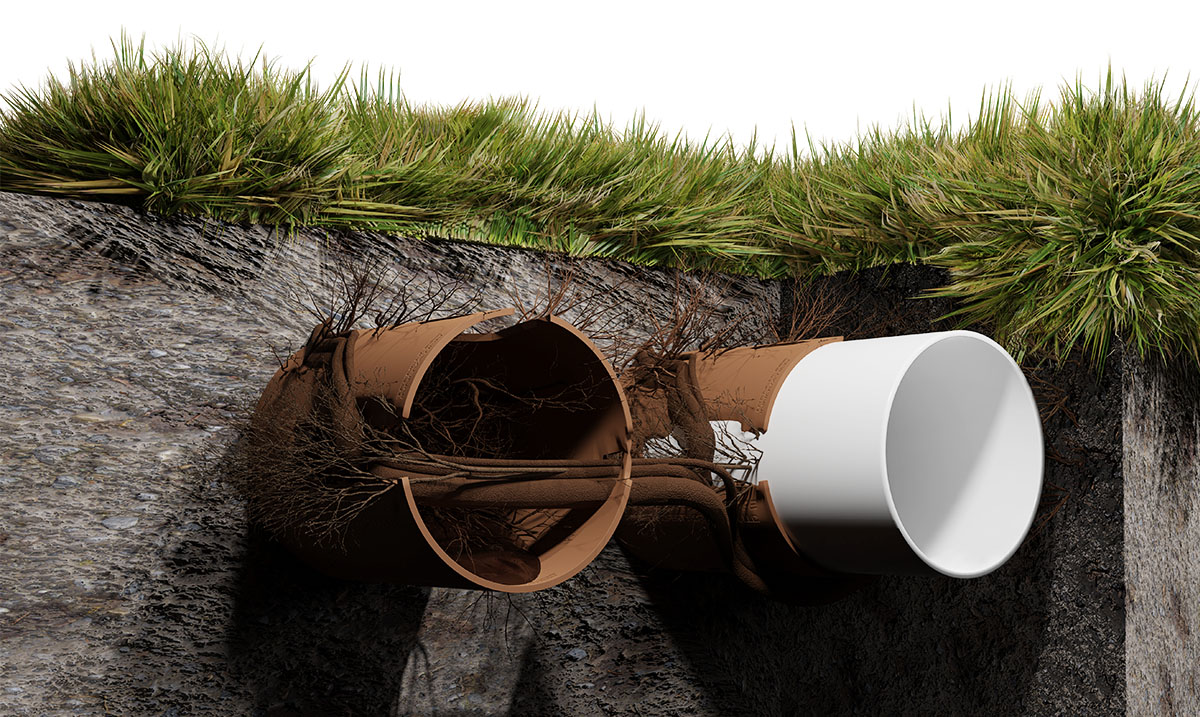
Manhattan streets carry some of the heaviest traffic loads in the United States. Bury a lateral pipe beneath a Brooklyn intersection or a Queens arterial road, and that liner is absorbing continuous stress from vehicle loading, dense soil pressure, groundwater fluctuation, and a host pipe that may be cracked, offset, or severely ovalized after decades of service.
Those are not ideal design conditions. They are standard New York conditions.
A 2mm CIPP liner may satisfy minimum ASTM F1216 requirements in a narrow set of applications. New York’s aging underground rarely presents that narrow set.
What the Load Picture Actually Includes
When evaluating CIPP liner thickness for a New York installation, the structural loading environment includes:
- Traffic live loads from vehicles, buses, and freight among the highest in the country
- Deep burial depths common in Manhattan and throughout the outer boroughs
- High groundwater pressure near waterfront areas in Queens, Brooklyn, and Lower Manhattan
- Severely deteriorated host pipes, many installed before World War I
- Freeze-thaw cycling that accelerates host pipe degradation year over year
- Subsurface interference from subway infrastructure and utility corridors
A 2mm liner operates close to minimum structural thresholds. In this environment, that margin disappears fast.
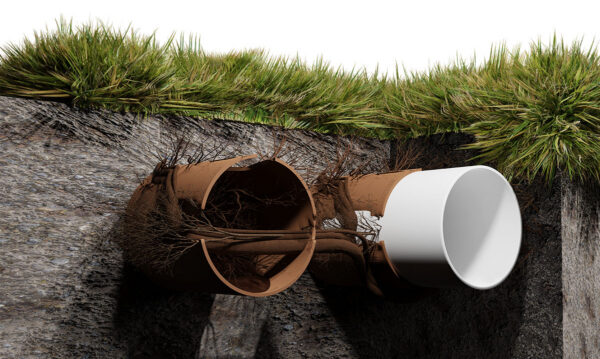
The Risk of Getting This Wrong
A liner that passes inspection today can still fail five or ten years from now. The NYC Department of Environmental Protection manages one of the most scrutinized wastewater systems in the country, and ongoing combined sewer overflow consent orders are driving rehabilitation activity across all five boroughs.
In a dense metro market where mobilization costs are already elevated, callbacks and rework are not minor line items. They are business-damaging events. Contractors who build a track record for durable, reliable installations win repeat work here. Those who cut corners on liner thickness defend warranty claims instead.
Why 3mm Is the Professional Standard in New York
A 3mm CIPP liner provides the structural margin that New York installations demand. The case for it is concrete:
- Greater resistance to the high traffic and soil loads common across the metro area
- Improved performance in deteriorated host pipes that deviate from design assumptions
- More installation forgiveness when field conditions differ from the pre-mobilization assessment
- Enhanced long-term durability through freeze-thaw cycles and sustained load variation
- Reduced callback exposure and stronger warranty standing
- Defensible specifications when submitting to NYC DEP or municipal engineering review
For engineers writing specifications on rehabilitation projects in this market, recommending 3mm is the position you can stand behind.
The ASTM F1216 Question That Simplifies Everything
ASTM F1216 provides the structural calculation framework for determining whether a given liner thickness is adequate for a specific installation. In New York, where host pipes predate modern load standards by decades and subway infrastructure creates subsurface stress that standard design tables don’t account for, those calculations carry more weight than in most markets. Running them site-by-site isn’t belt-and-suspenders caution. It’s the minimum due diligence for a city where the loading environment exceeds standard assumptions on most projects.
Before any contractor selects a 2mm liner on a New York project, one question needs an answer: Have the ASTM F1216 calculations been completed for this specific installation?
If the answer is no, the decision becomes straightforward. Install 3mm.
Build for What’s Above Your Liner
Meeting minimum requirements and delivering long-term performance are different things. In a market defined by aged infrastructure, dense loading conditions, and rigorous engineering review, installing to the minimum is not a performance strategy.
The weight above your liner in New York is real. Install for it.
A 3mm CIPP liner gives contractors and engineers the strength, durability, and safety margin needed to stand behind every job.
Don’t guess on thickness. Install 3mm.