


New York’s sewer network is one of the oldest in the country. Large sections of the combined system still active today were built more than a century ago, and inflow and infiltration (I&I) has been quietly working against that aging infrastructure ever since.
For engineers and contractors doing sewer rehabilitation across the five boroughs, the fix is rarely as simple as one lining job. NYC DEP has spent years under a combined sewer overflow consent order, and that oversight has kept I&I reduction near the top of every capital plan tied to wet-weather flow across the metro area.
The Two Faces of Unwanted Water
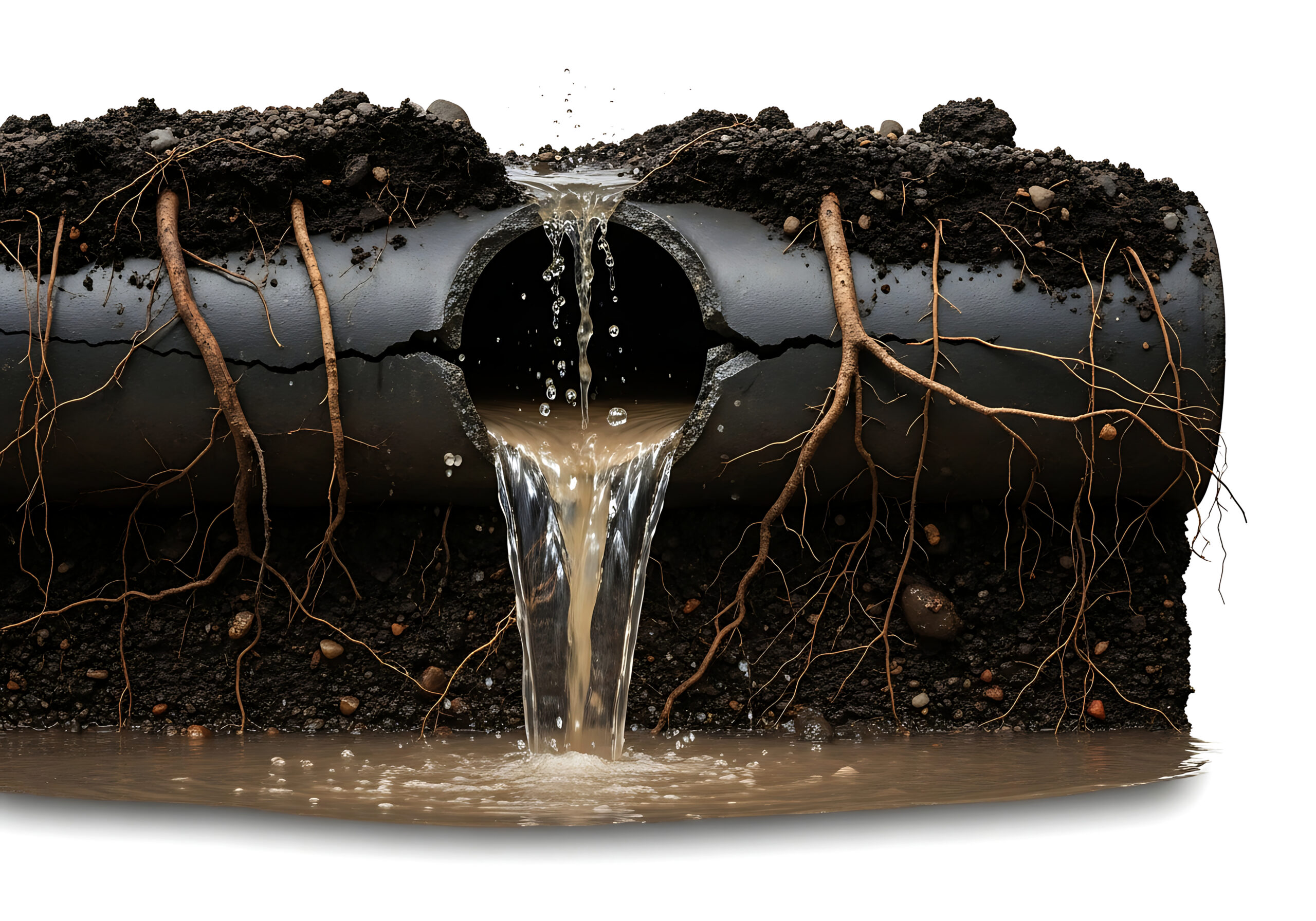
Groundwater sneaks into an aging sewer network through cracks, failed joints, and worn-out manhole seals. That’s infiltration. Inflow takes a more direct route, arriving through roof drains, yard drains, and other surface hookups that dump straight into the sanitary line.
Both eat into sewer capacity your system needs during storms. In a city where heavy rain events regularly stress an already burdened wastewater collection system, every gallon of unwanted groundwater is a gallon competing for space with sewage that has to be conveyed and treated.
The Main Was Never the Only Pathway
New York contractors have made CIPP the workhorse for renewing deteriorated sewer mains beneath city streets, and for good reason: it structurally restores a failing trunk line without tearing up a single block of pavement. But a sound liner only answers half the question.
A common scenario plays out across the five boroughs: crews line the main, and the infiltration numbers barely move. The reason usually traces back to the fact that the mainline was never the only leak point. Main-to-lateral connections, private laterals, and manhole structures throughout Manhattan, Brooklyn, and Queens can leak entirely independently of how sound the lined pipe is.
Common sources of continued infiltration include:
- Deteriorated sewer laterals running under sidewalks and building foundations
- Failed main-to-lateral connections where the two pipes meet
- Cracked or offset host pipe sections beneath heavy subway and utility corridors
- Manhole penetrations and joint failures allowing groundwater intrusion
- Root intrusion at older clay and concrete pipe sections
Finding the Actual Leak Before You Fix Anything
Smoke testing, flow monitoring, and CCTV footage together tell engineers something a single inspection method can’t: exactly where the flow is coming from, whether that’s a Brooklyn lateral connection or a Lower Manhattan manhole near the waterfront. Skipping that step and defaulting straight to mainline CIPP is how programs end up re-diagnosing the same block twice.
From there, matching the fix to the actual defect matters more than picking one favorite technology. A structurally failing trunk line calls for mainline CIPP. A leaking service line needs lateral lining run the length of the affected section. A separated joint between the main and the lateral is a job for targeted connection rehabilitation, not a blanket relining. Manhole structures with cracked walls or failed penetrations get their own rehab pass. And where the leak is small, active, and localized, injection grouting seals it from the outside without touching the rest of the system.
The Cost Case for Engineers Specifying This Work
Rework in New York isn’t cheap, and NYC DEP scrutiny on I&I programs is high. Utilities here are paying to pump and treat groundwater that never should have entered the sanitary system in the first place, a cost that compounds year over year until the source gets fixed.
An I&I reduction program built around the whole collection system, mains, laterals, connections, and manhole structures together, holds up better under review than a mainline-only approach. Programs that stop at the pipe risk leaving the consent order clock running while the underlying wet-weather flow problem persists. CIPP gets the trunk lines to spec, but it’s the lateral, connection, and manhole work layered on top that actually moves the needle on citywide I&I numbers.
Find a WRT-certified installer serving the NYC metro area to assess your collection system’s full scope of I&I sources.